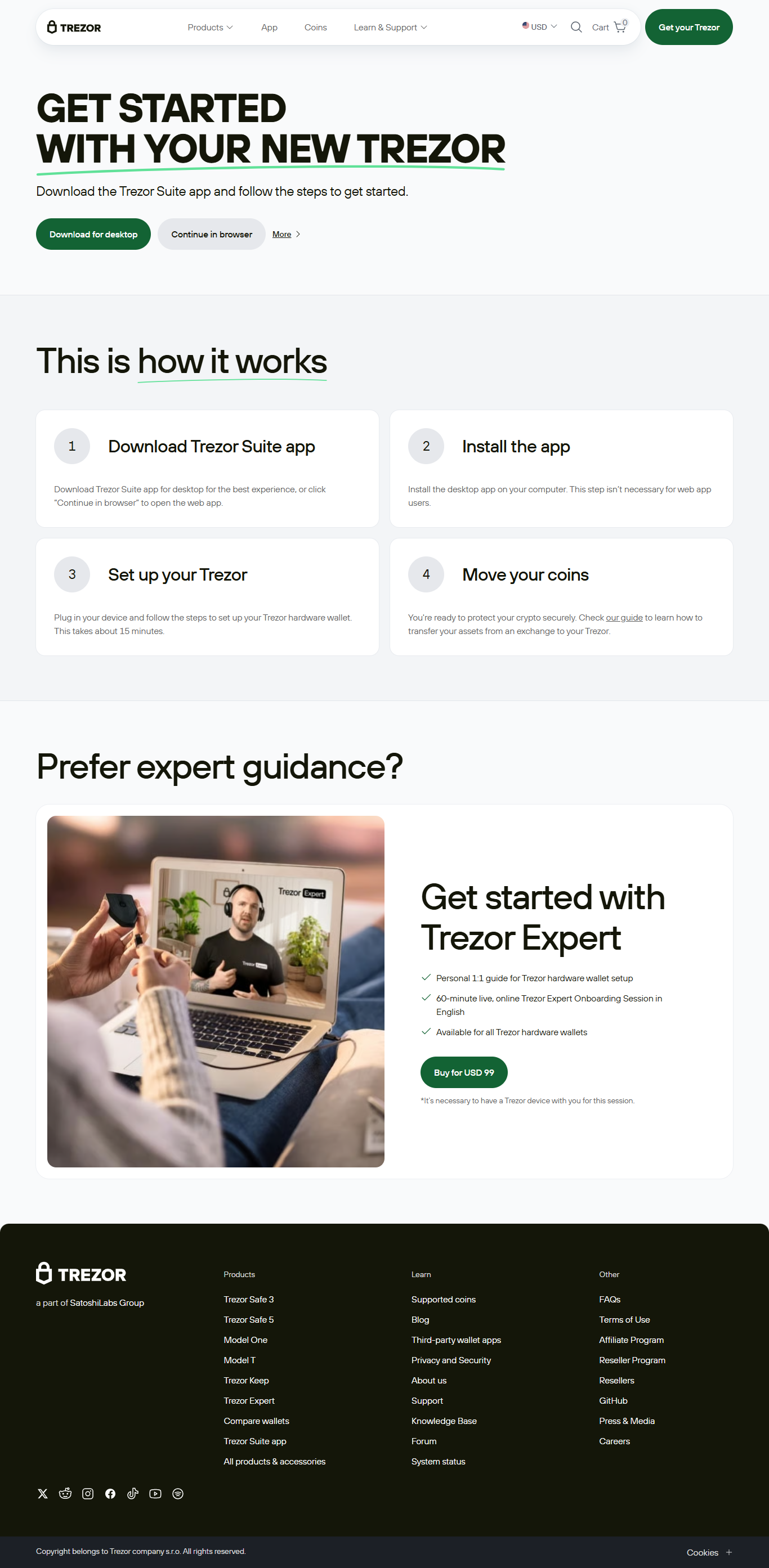
Trezor Bridge | Secure Connection Between Wallet & Browser
In the evolving world of cryptocurrency, security isn’t just helpful — it’s essential. Safe storage and secure transactions are the backbone of responsible crypto ownership. Among the tools that make this possible, Trezor Bridge stands out as one of the most vital yet under-appreciated technologies for connecting your hardware wallet to your browser securely. When you use a Trezor wallet — whether it’s your first time or you’re an experienced user — understanding the role of Trezor Bridge is key to protecting your digital assets.
This article dives deep into what Trezor Bridge is, why it’s important, how it works in concert with Trezor Login and the trezor suite, and how you can get started safely at the official setup hub trezor.io/start. With more people interacting with web interfaces, decentralized apps, and browser-based portfolio dashboards than ever before, ensuring the connection between your device and browser is encrypted and authenticated is a critical step in securing your crypto future.
What Is Trezor Bridge? Secure Connection Between Wallet & Browser
At its core, Trezor Bridge is a small software utility designed to facilitate secure and encrypted communication between your Trezor hardware wallet and your web browser. Without this secure bridge, your browser would not be able to recognize, communicate with, or send commands to your Trezor device when you perform actions like logging in, signing transactions, or viewing your portfolio.
You can think of Trezor Bridge as the secure translator that makes seamless interaction between the browser and the wallet possible — without compromising private keys, sensitive data, or transaction integrity.
If you’re new to the ecosystem, the official place to start is at trezor.io/start — where you’ll find guided setup instructions and downloads to ensure you’re using the legitimate and most up-to-date version of the software.
Why Secure Connectivity Matters in Crypto
Security is the foundation of trust in cryptocurrency. The decentralized nature of blockchain means that once a transaction is executed, it’s irreversible. There’s no support hotline you can call if your private keys are stolen or exposed.
This is where Trezor Bridge becomes more than just convenience — it becomes a security necessity.
Here’s why secure connectivity matters:
Encrypted Communication
All data exchanged between browser and wallet is encrypted — preventing eavesdropping or manipulation by malicious actors.Private Keys Never Leave the Wallet
The most critical security feature of hardware wallets like Trezor is that private keys stay offline. Trezor Bridge ensures that transaction signing and authentication happen on-device, with only secure signals transmitted to the browser.Phishing Protection
Browser-based crypto interfaces can sometimes be mimicked by phishing sites. A verified secure connection through Trezor Bridge helps ensure you’re interacting with the official interface.Reliable Device Detection
Many browsers cannot natively communicate with USB devices. Trezor Bridge fills that gap and lets you access tools like Trezor Login and the trezor suite without friction.
Because of these protections, users are encouraged to begin their experience at the official portal — trezor.io/start — where all downloads and instructions are verified, safe, and up to date.
How Trezor Bridge Works: Step-by-Step
To appreciate the value of Trezor Bridge, it helps to understand how it functions within the Trezor ecosystem.
1. Installation via trezor.io/start
Your journey begins at trezor.io/start, the official setup page for Trezor hardware wallets. This page detects your operating system and prompts you to download Trezor Bridge if it’s not already installed.
Installing Trezor Bridge from the official site — not a third-party link — ensures:
You’re using the latest secure version
No malicious software is bundled with the download
Your operating system will recognize your Trezor device
Once installed, Trezor Bridge runs in the background and becomes the gateway through which your browser communicates with your wallet.
2. Establishing a Secure Channel
Without Trezor Bridge, browsers often can’t establish a direct connection to USB-connected devices. The bridge:
Detects the Trezor device
Sets up an encrypted channel
Manages authenticated requests from browser to device
This protects both transaction data and authentication processes.
3. Trezor Login and Browser Authentication
When you perform a Trezor Login, your browser sends a login request through Trezor Bridge. The bridge verifies the request and facilitates communication so the wallet can display details on its screen. This ensures you can verify every login attempt directly on the device — adding a second layer of authentication beyond passwords.
4. Using the trezor suite
Once logged in securely, you can open the trezor suite — Trezor’s official management interface — to view balances, send/receive assets, and interact with supported blockchains. All of this flows through Trezor Bridge to ensure secure command delivery and transaction approvals.
Trezor Bridge vs. Other Connectivity Solutions
Some other wallets or interfaces try to bypass secure bridge tools by using browser extensions or direct USB access. While these can work, they often fall short on security or compatibility.
Trezor Bridge stands out because:
It provides consistent cross-platform support (Windows, macOS, Linux)
It uses encryption on every transaction
It’s developed and maintained by the official Trezor team
It integrates seamlessly with web wallets and trezor suite
It supports all major browsers
For a truly secure experience when using your Trezor wallet, relying on Trezor Bridge is the best practice — especially when accessing sensitive steps like Trezor Login and transaction signing.
Security Best Practices with Trezor Bridge
Like any security system, Trezor Bridge works best when combined with good habits. Here are the top tips to maximize protection:
👉 Always Start at trezor.io/start
Only download Trezor Bridge and firmware from the official source:
👉 trezor.io/start
Never download from ads, emails, or unknown links — they can be phishing traps.
👉 Verify the URL for Trezor Login
When authenticating with Trezor Login, make sure the URL matches the official Trezor domain. Valid SSL certificates and correct spelling matter.
👉 Update Bridge and Firmware Regularly
Keep both your Trezor Bridge and your device firmware up to date. Security updates are released to address potential vulnerabilities — keeping your private keys secure.
👉 Never Share Your Recovery Seed
Your 12- or 24-word seed is your ultimate backup — not even Trezor Bridge needs it. Ledger, Trezor, or any trusted service will never ask you for it online.
Common Issues & How to Fix Them
Sometimes users experience connection issues between their device and browser. Here are some simple fixes:
Restart Browser & Device: Often resolves USB detection problems.
Reinstall Trezor Bridge: Ensure you install via trezor.io/start.
Try a Different USB Port: Some ports don’t provide consistent power.
Check Browser Permissions: Make sure USB access is allowed.
If issues persist, refer to the official support section on trezor.io for detailed troubleshooting guides.
Why Trezor Bridge Is Essential for Crypto Security
Without Trezor Bridge, secure and encrypted communication between your wallet and browser simply wouldn’t exist. In a landscape where hackers and phishing schemes target users at every turn, having this encrypted bridge acts as a dedicated guard protecting every command you issue and every transaction you sign.
Even simple actions like connecting your hardware wallet to check your balance, perform a Trezor Login, or open the trezor suite are done over a secure channel that prevents unwanted access or data leakage.
This built-in protection — coupled with good user practices — is what makes hardware wallets secure in the first place.
Final Thought
In a world where cryptocurrency transactions are irreversible and digital assets are constantly targeted by bad actors, Trezor Bridge plays a critical role in securing your crypto journey. Operating quietly in the background, it ensures every browser interaction with your Trezor wallet — from Trezor Login to opening your trezor suite — remains encrypted, authenticated, and protected.
Whether you’re just getting started at trezor.io/start or you’re an advanced HODLer managing multiple assets, understanding and using Trezor Bridge is essential. Combine this tool with secure habits, updated firmware, and official downloads, and you’ll benefit from an encrypted, smooth, and ultra-secure crypto experience.
Start your secure setup today at trezor.io/start and make encrypted connectivity a cornerstone of your crypto security strategy.
10 Frequently Asked Questions (FAQs)
What is Trezor Bridge?
A secure connection tool that allows your browser to communicate with your Trezor hardware wallet.Why do I need Trezor Bridge?
It encrypts communication between your device and browser, protecting sensitive actions like signing transactions.Where do I download Trezor Bridge?
From the official setup portal: trezor.io/start.Is Trezor Bridge safe?
Yes — it’s developed by the official Trezor team for secure connectivity.What is Trezor Login?
A secure login method that uses your Trezor device to verify your identity on supported web interfaces.What is the trezor suite?
The official Trezor management dashboard where you view balances and manage assets.Can Trezor Bridge be used on all browsers?
It works with major browsers compatible with the bridge — check official documentation for the latest list.Do my private keys ever leave the device?
No — private keys remain on the Trezor device at all times.Where can I learn more about troubleshooting bridge issues?
Visit the support section on trezor.io.Why should I start at trezor.io/start?
To ensure you download authentic, safe software and follow the official secure setup flow.